
Why Build Above Code?
Habitat for Humanity strives to move the needle forward in our home-building process by looking to the future. As a nationwide homebuilder seeking to break the cycle of generational poverty through affordable homeownership, it’s important to consider the longevity and stability of our homes.
Habitat’s work centers on the value of long-term stability for the current homeowner, future homeowners, and our environment. This means building homes that are energy efficient, climate resilient, and often go above the code requirements.
Why build above code or to code-plus standards?
When we build to code-plus or high-performance standards, we’re investing in:
- Long-term affordability through reduced energy and utility costs.
- Disaster resilience by fortifying homes against severe weather.
- Community strength, as durable homes uplift entire neighborhoods.
- Lower emissions, better insulation, and sustainable design to protect our planet.
- Generational stability, helping maintain housing stock over time.
Multiple Habitat for Humanity offices in Minnesota have already begun introducing new standards.
Itasca County: Their First Net-Zero Home
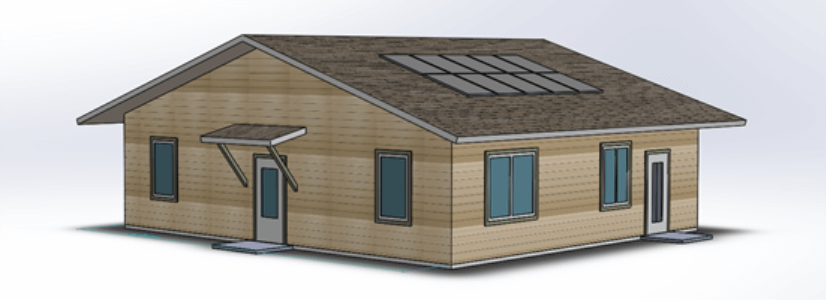
In May 2025, Itasca County Habitat for Humanity broke ground on their first Net-Zero home — the 51st home in their history. Designed with long-term sustainability in mind, this home includes:
- Triple-pane windows
- LED lighting
- R45 insulated walls, R70 roof
- Extra slab insulation
All these features work together to reduce energy consumption and environmental impact dramatically.
“By constructing this energy-efficient home, we are not just building houses; we are building a more sustainable and equitable future for Itasca County,” said Jamie Mjolsness, Executive Director of Itasca County Habitat for Humanity. “This 51st home is not just a house; it’s a symbol of hope, resilience, and the power of community.”

Rice County: Solar Energy for Stability
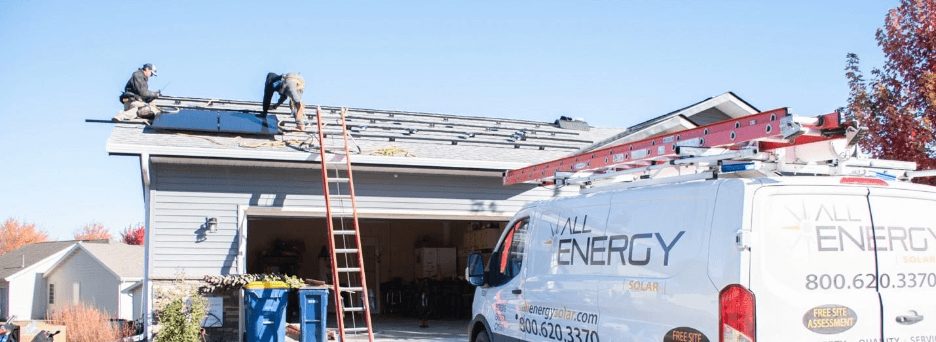
In fall 2024, Rice County Habitat for Humanity installed rooftop solar panel systems on four homes, including one for the Kath family. Their panels went live in October that year, and the financial impact was immediate.
“It’ll be nice not to worry about our Xcel bills anymore,” said homeowner Travis Kath. “We’ve been super blessed.”
The savings help families focus on their goals and dreams and keep more money in their pockets every month.

Winona County: Durable Materials and Disaster-Resilient Roofing
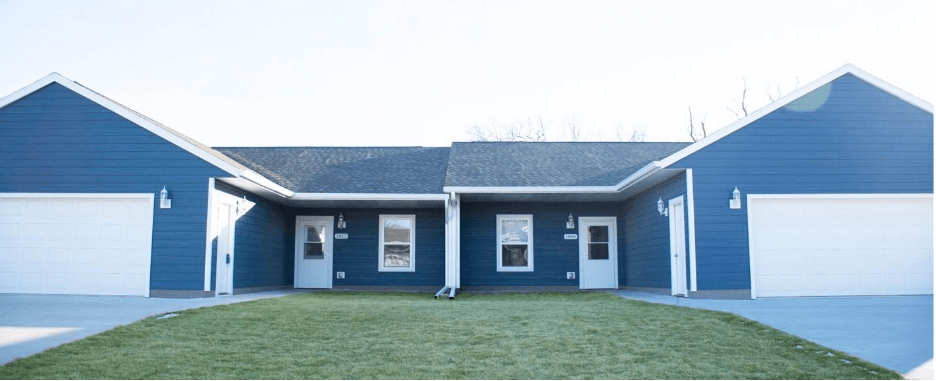
Habitat for Humanity Serving Winona County is using Insulated Concrete Forms (ICF) and FORTIFIED Roof™ systems to build stronger, safer homes. ICF provides excellent energy efficiency and was a smart solution during lumber shortages, while Fortified roofs are designed to stand up to wind, hail, and other extreme weather.
Winona Habitat is currently building duplexes in St. Charles using this model — offering safety, stability, and long-term savings for homeowners through reduced insurance and repair costs.
La Crosse Area: Renewing the Block
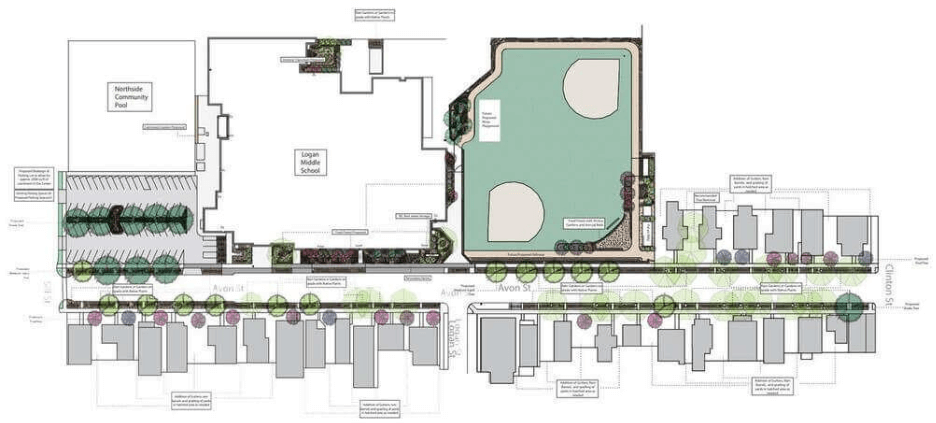
Serving parts of Minnesota and Wisconsin, La Crosse Area Habitat for Humanity is taking a neighborhood approach. Their Renew the Block initiative focuses on revitalizing the area around a local middle school through:
- Home repairs
- Stormwater mitigation
- Community orchards
- School-based programming
This work not only addresses housing but also prevents storm damage, increases green space, and helps families and neighborhoods thrive.
Why It Matters
Habitat homes built above code are lifelines for stability and opportunity. And the investment pays off:
- Every $1 invested in hazard mitigation saves $6 in recovery/rebuilding (National Institute for Building Science, 2018)
- Natural hazards can decrease household incomes by 21.5% for years & increase regional poverty by 2.5% (Heliyon, 2022)
- Low-income households take 2 – 3x longer to recover after a severe weather event (Journal of the American Planning Assc, 2015); household recovery time affects regional economic recovery time
- 27% of U.S. households are energy insecure; 20% skip food and/or medicine to pay energy bills (Energy Information Administration/Residential Energy Consumption Survey, 2020)
Looking Ahead
As weather patterns change and energy costs rise, the need for strong, stable, efficient housing is only increasing. That’s why Habitat for Humanity of Minnesota is proud to support the local Habitat offices and their efforts that put families first by building smarter, safer, and stronger.
From solar rooftops to resilient foundations, the future of housing is already here. And it’s being built by Habitat.